Your facility needs consistent cleaning schedules tailored to unique hazards, processing volumes, allergen management, and regulatory visits, including verifiable documentation validating food safety measures, compliance audits, and health department standards. The details below give details about essential cleaning protocols.
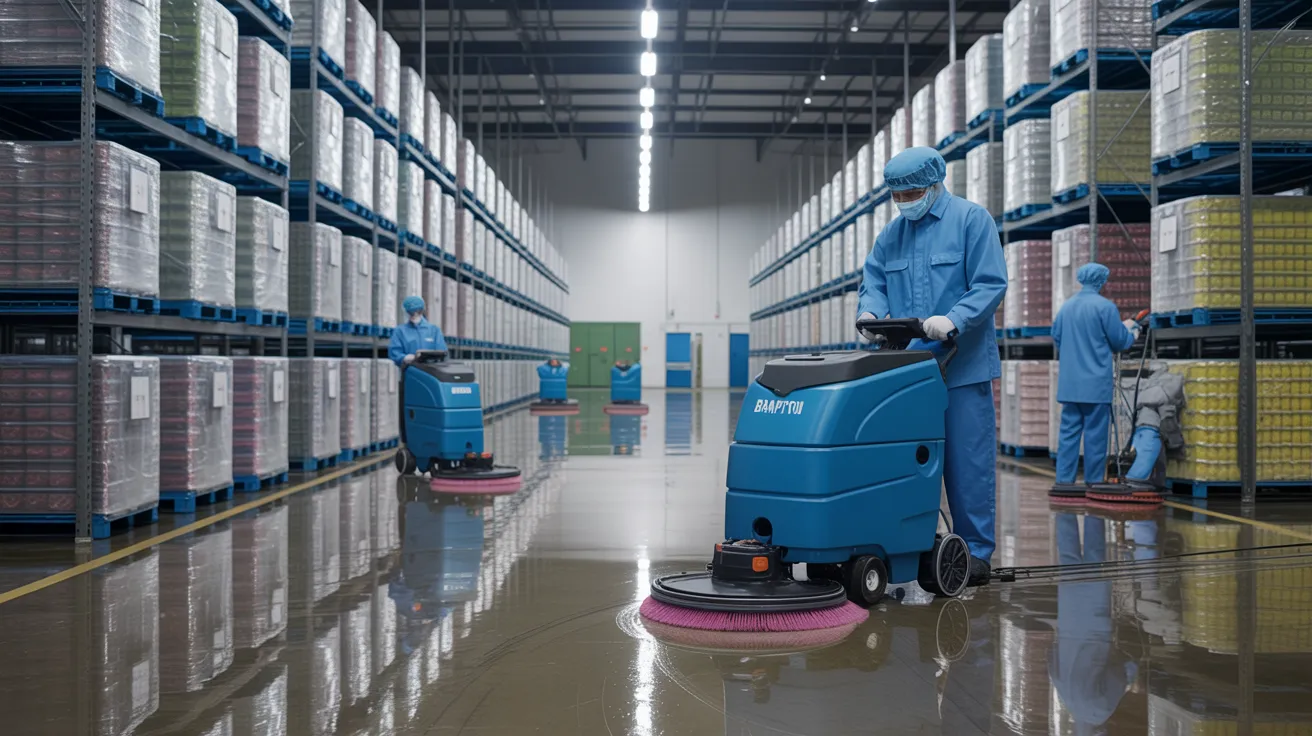
Essential Summary
- Sanitation technicians from Brampton assist restaurants, grocery departments, commissaries, warehouses, bakeries, schools, mobile vendors, and allergen-sensitive operations.
- Frequently contacted areas, food-contact equipment, kitchens, floors, drains, restrooms, and storage areas are sanitized using zone-based workflows to eliminate cross-contamination.
- Recording of finishing through swabs, inspections, and action records ensures certified contractors have checked approved sanitizer dilution, suitability, and contact time.
- Sound sanitation calendars factor in danger, output capacity, changeovers, spills, and standards when designating daily, regular, and annual tasks by location.
- Focus on suppliers demonstrating hazard analysis knowledge, sanitation understanding, WHMIS instruction, insurance, testimonials, color-coded tools, and inspection-ready hygiene records.
Which Brampton Operations Need Food Safety Cleaning?
Brampton facilities that handle, store, prepare, package, or serve food require food safety cleaning. Implement it if your operation is regulated by public health inspections, food codes, or HACCP requirements. The obligation covers eateries, dining facilities, warehouses, supermarket areas, meat counters, fish departments, retail outlets, and institutional kitchens.
Documented food safety measures proves necessary in storage facilities, production centers, refrigerated warehouses, bakeries, school nutrition services, event spaces, and delivery hubs. Temporary mobile establishments matter as well, such as mobile kitchens, market vendors, and seasonal booths. Your facility needs established hygiene documentation when your staff handle raw materials, divide prepared dishes, warm meals, or keep allergens stored. In Brampton, food safety stays discretionary; it represents statutory, functional, and public health adherence.
What Services Do Brampton Cleaning Experts Provide?
Your facility requires professional cleaners who sanitize all high-touch areas, cooking and food prep areas, floors, and restrooms to maintain food safety compliance and public health standards. These zones receive attention due to their elevated cross-contamination potential, hazardous walking conditions, and violations of hygiene standards.
If you comprehend their cleaning services, you'll successfully ensure your facility meets required operational and regulatory standards.
Important High-Touch Surface Disinfection
implement a sterilization plan
testing surfaces to check cleaning results
Food Prep Areas, Flooring, and Sanitary Facilities
Brampton cleaning services zero in on kitchens, floors, and restrooms as each zone presents distinct food safety, slip-and-fall, and public health risks. In industrial kitchens, you need degreasing on cook lines, equipment exteriors, drains, prep surfaces, and splash zones to reduce contamination and pest pressure.
Documented floor maintenance is also provided as part of the service.
In restrooms, cleaners disinfect touchpoints, fixtures, partitions, dispensers, and waste containers then refill supplies and eliminate odor. They also service restaurant moprooms, where chemical storage, sink hygiene, and drainage conditions can affect sanitation compliance and staff safety daily.
How Food Safety Cleaning Benefits Brampton Operations
In Brampton, you must maintain food-safe cleaning standards to meet health code requirements and achieve compliance. You also reduce bacterial spread through proper cleaning of food-preparation surfaces, appliances, and frequently-touched items. Most importantly, you safeguard public health by lowering the risk of foodborne illness in your facility.
Food Safety Regulations
Because Brampton food companies operate under mandatory safety protocols, food safety cleaning directly determines your capacity to satisfy health code requirements, defend customers, and avoid enforcement action. You must maintain sanitized food contact points, documented cleaning schedules, safe chemical management, and traceable training practices that comply with municipal and provincial inspection expectations.
When inspectors assess your operation, they check whether your hygiene protocols supports secure product handling, appliance cleanliness, garbage disposal, and restroom sanitation.
Contamination Management
Maintaining health code standards copyrights on your power to stop cross-contamination during everyday food preparation and sanitation. You need to partition uncooked items from finished dishes, sterilize work zones between assignments, and store chemicals away from food-contact items. Explicit protocols lower contamination threats and reinforce steady regulatory adherence.
Building allergen segregation prevents key allergens from reaching shared surfaces, containers, or equipment. Utilize dedicated cutting boards, color-coded tools, and strict utensil labeling so team members won't blend products during preparation or service.Enforce handwashing after handling uncooked meats, shellfish, egg items, or allergen substances. Refresh cleaning cloths frequently, and confirm sanitizer strength with test strips. When you train staff to follow these controls each shift, you foster a cleaner, more secure operation that meets Brampton's food safety expectations daily.
Public Health Protection
If food safety cleaning declines, you don't merely risk a failed inspection—you boost the probability of foodborne illness affecting customers, staff, and the broader Brampton region. You also weaken your role in protecting public health, especially in busy food facilities where pathogens travel quickly through surfaces, equipment, and touchpoints.
You need cleaning protocols that remove soils, sanitize correctly, and verify results. That means following exposure periods, using approved disinfectants, documenting schedules, and training staff to meet regulatory standards. These measures facilitate disease prevention by lowering microbial loads before they reach food or hands. In Brampton, strong sanitation shields at-risk groups, limits outbreak potential, and helps you demonstrate proper care. When you maintain proper standards, you don't just meet regulations—you substantially decrease danger and support safer food service throughout the region.
How Does Cleaning Support Food Safety Compliance?
Maintaining strict sanitation practices ensures food safety compliance by reducing contamination risks, controlling pathogen growth, and keeping your facility meeting sanitation requirements under HACCP-based programs and public health regulations. You ensure that contact surfaces appear visibly clean and microbiologically controlled, facilitating documented preventive controls and inspection readiness.
Effective cleaning also strengthens allergen management by extracting residues that can cause undeclared allergen exposure. by extracting residues that can cause undeclared allergen exposure.
How Ought You Arrange Commercial Cleaning Services?
Establish cleaning plans based on risk, production volume, and regulatory requirements versus relying solely on a predetermined calendar. You should arrange regular cleaning every day
daily routines
What Should You Look For in Brampton Cleaning Experts?
Begin by evaluating providers based on sanitation compliance standards—not solely on budget. You should confirm that each organization comprehends CFIA, public consult now health, and HACCP-based requirements applicable to your facility. Request insurance certificates, WHMIS compliance, staff training documentation, and oversight procedures. Assess whether technicians recognize cross-contamination hazards, chemical handling protocols, and verifiable sanitation records.
You should also assess business dependability and accountability. Request references from food facilities in Brampton, then examine response times, corrective-action procedures, and communication standards. Confirm the company participates in supplier audits and can present inspection-ready documentation when regulators or third parties request evidence. Check whether equipment maintenance is performed, colour-coded tools are used appropriately, and facility-specific risks are recognized. A qualified provider protects compliance, product quality, and your brand reputation.
What's covered in a Food Safety Cleaning Plan?
Document a framework that outlines every sanitation activity, guideline, and role before production begins. You should record cleaning frequencies, approved chemicals, dilution rates, contact times, tools, and verification methods for each zone, surface, and piece of equipment. Ensure you include pre-operational inspections, corrective actions, and employee training requirements.
Your plan should also address contamination prevention controls, waste handling procedures, pest management measures, and written schedules for rest areas, drains, flooring, and food-contact surfaces. Detail how you'll keep raw and ready-to-eat processes separate, facilitate ingredient tracking, and maintain accurate allergen labeling through validated cleaning between product changes. You should assign accountability, maintain signed records, and review results against regulatory standards, HACCP controls, and customer requirements. When gaps appear, update procedures immediately and retrain staff.
Commonly Requested Inquiries
Do sanitation providers work during overnight shifts at Brampton facilities?
Yes, you can arrange sanitation coverage to manage overnight shifts in Brampton facilities. You'll organize overnight sanitation around operational windows, access controls, and staffing requirements. Providers typically establish nightshift procedures to minimize interruption, maintain standards, and record finished work. You should confirm arrival timeframes, supervision, access protocols, and disposal methods before beginning service. If you operate controlled environments, you'll also want cleaning records that support inspections and internal quality assurance.
Can Brampton cleaning experts manage hazardous incidents?
Yes, you can locate Brampton sanitation experts providing hazard containment options. They handle hazardous incidents, assess dangers, contain affected zones, and begin swift decontamination to minimize exposure and avoid operational impact. You should verify response rates, certifications, PPE measures, and disposal methods. If your facility must meet compliance standards, pick a provider that tracks incidents, follows procedures, and supports verification.
Do green disinfectants perform safely on food preparation areas?
Definitely, natural disinfectants perform safely on food-handling equipment if you source disinfectants approved for food contact that satisfy regulatory compliant. You need to verify application timing, mixing proportions, and rinse procedures before use. Natural-based solutions decrease harsh chemical exposure, but you should obtain proof of efficacy against specific pathogens. To preserve residue-free areas, follow exact manufacturer guidelines and confirm your cleaning agent complies with food industry regulations.
Can cleaning schedules adapt with seasonal shifts?
Certainly, sanitation programs adapt to production fluctuations successfully. Modify schedules, staffing, chemicals, and confirmation procedures to correspond with production rhythms while sustaining regulatory adherence. Limit equipment downtime via planning sanitation alongside changeovers, maximum output, and operational patterns. Further update procedural documents, staff education, and monitoring protocols to capture transient threats, novel allergens, or higher contamination levels. Scheduled reviews maintain your strategy current.
Do professional cleaning services train employees on hygiene standards?
Indeed, commercial cleaning providers often offer staff training on proper hygiene. Your staff obtains instruction on safe chemical application, exposure durations, cross-contamination prevention, equipment breakdown, and record-keeping. They generally adhere to training with HACCP, GMP, and CFIA or local public health criteria. Many also execute compliance inspections to confirm standards, reveal issues, and strengthen improvement measures. This supports you in establish reliable processes, achieve compliance, and decrease foodborne illness risks each day.
Final Thoughts
By partnering with Brampton commercial cleaning and food safety professionals, you aren't just organizing—you keep your operation inspection-ready and your practices in compliance. From kitchens to processing floors, every sanitized surface and maintained corner decreases contamination and avoids expensive losses. By arranging service at appropriate intervals and following a documented cleaning plan, you protect your team, clients, and your credibility. In a heavily controlled environment, clean spaces are mandatory—they're key to business compliance.